Languages spoken: French, Spanish and Arabic.

Lymphatic drainage in Lausanne

Discover our lymphatic drainage in Lausanne in a welcoming and soothing atmosphere! 

 We offer you a true interlude of well-being in a place where you will naturally feel good.

The physiotherapists are delighted to welcome you, immersing you in a moment of absolute relaxation.

 Come and enjoy a true haven of peace. A little extra: We’re the lymph experts.
Created with Sketch.

Empathy & Listening

We establish a quality relationship with the patient, characterized by empathy and based on attentive listening.

Positive energy

We warmly welcome our patients and give them optimism and all the positive energy they need.

PHYSIOR

What does a lymphatic drainage session involve?

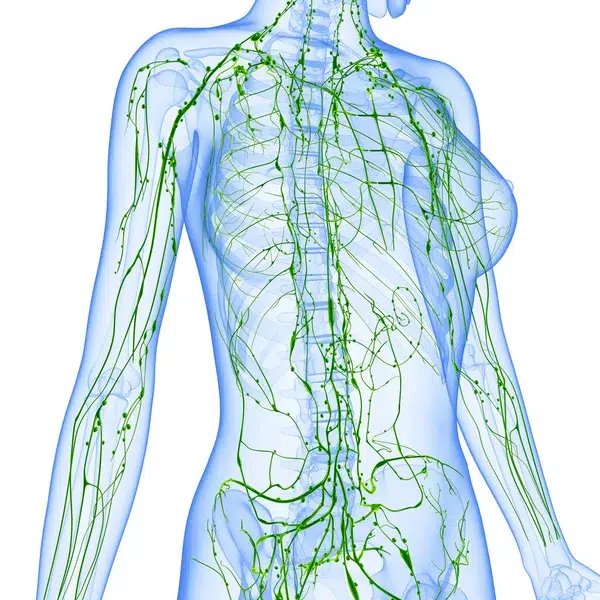
Manual lymphatic drainage is a therapeutic massage technique designed to stimulate lymphatic circulation in the body.
By stimulating the lymphatic system, we improve the elimination of waste products and toxins.
It also strengthens the immune system.

Manual lymphatic drainage involves gentle, rhythmic and repetitive movements.

This approach to massage therapy is used in cases of swelling, edema and lymphedema, among others.

The DL can handle :

Aith a medical prescription, lymphatic drainage performed by a physiotherapist are reimbursed by your insurance company.

Make an appointment

We are the private institution of first choice for patients and doctors of various specialties.

We guarantee quality and excellence in healthcare, while continuously modernizing our infrastructure

PHYSIOR

What are the benefits of lymphatic drainage?

Lymphatic Drainage offers many health benefits:

PHYSIOR

Why call on PHYSIOR for drainage?

Passionate about our business and with a wealth of experience in drainage lymphatic system, we provide you with the highest quality care. Our goal?
To guarantee
the best results.

We are empathetic to our patients, who are listened to, understood and respected.
We
In this way, we build trust and meet their needs as effectively as possible.

FAQ

Who can benefit from lymphatic drainage in Lausanne?

Lymphatic drainage in Lausanne is primarily intended for people with circulatory problems, edema, water retention or bloating.
It may also be recommended on medical advice for postoperative care.
Lymphatic drainage is also recommended for women who are more than 3 months pregnant or post-partum.
Anyone wishing to boost their immune system can also undergo lymphatic drainage in Lausanne.

Metodology

1

Add Your Heading Text Here

Lorem ipsum dolor sit amet, consectetur adipiscing elit. Ut elit tellus, luctus nec ullamcorper mattis, pulvinar dapibus leo.

Add Your Heading Text Here

2

Lorem ipsum dolor sit amet, consectetur adipiscing elit. Ut elit tellus, luctus nec ullamcorper mattis, pulvinar dapibus leo.

Add Your Heading Text Here

3

Lorem ipsum dolor sit amet, consectetur adipiscing elit. Ut elit tellus, luctus nec ullamcorper mattis, pulvinar dapibus leo.

PHYSIOR place picture
4.8
Based on 36 reviews
powered by Google
Lucky10505 profile picture
Lucky10505
12:20 13 May 24
L'ambiance ici est très conviviale et professionnelle. Ils ont grandement soulagé mes douleurs musculaires pelviennes pendant la grossesse. Voici quelques suggestions pour soulager mes douleurs musculaires pelviennes pendant la grossesse.
Meritto Pino profile picture
Meritto Pino
18:05 20 Apr 24
Ayant été traité par Madame Atmani après mon accident, mon médecin était agréablement surpris des résultats atteints en terme récupération en si courte durée, je la recommande vivement.
Teuta Vehapi profile picture
Teuta Vehapi
22:25 21 Mar 24
Excellent accueil. Physiothérapeute très compétent. Je recommande volontiers ce cabinet
Langumier Herve profile picture
Langumier Herve
21:39 07 Mar 24
Professionalisme, écoute, résultat mais si je ne devais utiliser qu'un seul mot c'est " EMPHATIE "
Madame Hind El Moutia a toute ma confiance. Je recommande vivement son institut.
Jamal Alghayda profile picture
Jamal Alghayda
21:10 05 Mar 24
Jennyfer Murillo profile picture
Jennyfer Murillo
18:56 05 Mar 24
Quand j'ai commencé chez Physior, j'avais eu une mauvaise expérience avec ancien physiothérapeute mais mon physiothérapeute actuel est le meilleur et l'équipe générale de Physior sont incroyablement. Sont meilleurs.
Daniela Orsino profile picture
Daniela Orsino
11:02 05 Mar 24
Je recommande fortement ce cabinet de physiothérapie, ayant eu 9 séances avec Monsieur Bensaid, je suis ravie des résultats. Ils sont professionnels et à l écoute.
Hasretina Firat profile picture
Hasretina Firat
10:43 05 Mar 24
M. Bensaid est excellent. Il est professionnel, sympathique et parle de nombreuses langues, dont l'anglais. La salle est toujours propre avec une musique apaisante. Je me suis blessé à la cheville et j'ai déjà vu les bénéfices.
Assia profile picture
Assia
19:47 26 Feb 24
Madame El Moutia traite ma fille de 4ans depuis plusieurs mois et nous sommes extrêmement contents que notre pédiatre nous ait envoyé chez elle. C'est la seule physiothérapeute qui a tout de suite vu le probleme, était aussi d'avis qu'il faut traiter le problème sans attendre et ma fille a fait d'énormes progrès.

Orthopedic Physiotherapy

When a condition affects the joints and periarticular structures, functional discomfort and pain may force the patient to undergo scheduled surgery – hip prosthesis (THR), spinal arthrodesis, knee prosthesis (KP), etc. – in order to improve the quality of life.

Your physiotherapist will then intervene post-operatively to improve swelling, amplitude recovery and function.

He will be in close contact with the surgeon and will adapt his treatment according to his instructions. He will also accompany you throughout rehabilitation to save the operated area and avoid complications.

The aim here is to regain autonomy as quickly as possible, which is the main objective of surgery.

When an operation is scheduled, it is a good idea, in agreement with your doctor, to set up pre-operative re-education to prepare for it.

After the operation, muscle wasting will set in very quickly, and can be limited by strengthening the muscles beforehand.

Trauma Physiotherapy

It follows an accident or fall.
Depending on the nature of the injury (fracture, dislocation, sprain, etc.) and the treatment implemented by the doctor (immobilization in a splint, plaster cast or surgery), the patient will be referred for rehabilitation sessions.

After an assessment of the restrictions caused by the trauma and the treatment, you will be offered an adapted treatment that respects the healing lesion and the recovery objectives.

Rheumatology Physiotherapy

Physiotherapy plays a fundamental role in rheumatology treatment.

It treats disorders, pain and functional limitations of the musculoskeletal system, which includes muscles, tendons, ligaments, bones, joints and peripheral nerves.

It is based on mobilization and posture techniques, sensorimotor reprogramming, maintenance and muscle-strengthening exercises, and aims to oppose deformity or obtain a pain-relieving position.

  • Osteoarthritis;
  • Osteoporosis;
  • Rheumatoid arthritis and spondyloarthritis;
  • Tendinopathies and tendonitis;
  • Fibromyalgia;
  • Spinal pain (lumbago, dorsalgia, neck pain, etc.);
  • Neuralgia;
  • Autoimmune diseases affecting joints, including lupus, Gougerot-Sjögren syndrome, vasculitis, systemic scleroderma, etc.
  • Arthritis of infectious or metabolic origin, such as gout or chondrocalcinosis;
  • Ligament hyperlaxity, etc.

At PHYSIOR, we offer individualized care tailored to your needs.

A rehabilitation plan tailored to your short, medium and long-term goals will be defined with you during your first sessions.

Neurological physiotherapy

Physiotherapy plays an important role in the rehabilitation of neurological disorders.

She actively participates in the patient’s neuro-motor rehabilitation by applying specific techniques in order to :

  • Limiting the impact of a brain injury;
  • Help patients maintain maximum autonomy and mobility;
  • Maintaining independence and preserving quality of life for as long as possible.

Rehabilitation should continue as long as the patient shows measurable benefits from treatment and has achieved the agreed goals.

Therapy indicated for :

  • Spinal cord injuries (paraplegia, tetraplegia, etc.);
  • Post-cerebral lesions (hemiplegia, ataxia, head trauma, etc.);
  • Degenerative diseases (multiple sclerosis, Parkinson’s, myopathies, polyneuropathy, etc.);
  • Peripheral lesions (brachial plexus, ponytail syndrome, etc.).

Perineal and pelvic physiotherapy

Perineal and pelvic rehabilitation is a specialized approach to physiotherapy aimed at the prevention, evaluation and treatment of various problems affecting the pelvic floor and pelvic health.

The pelvic floor is made up of muscles and connective tissues that play an important role in supporting the pelvic organs (bladder, uterus, rectum), continence, sexuality, and the stability of the back, pelvis and hips.

A damaged, weakened, overstretched or overstretched pelvic floor can cause urinary or fecal incontinence, prolapse, constipation, genital or pelvic pain, as well as sexual problems such as pain during intercourse or erectile dysfunction .

Pelvic floor problems are common and can occur at any time of the year. at any stage of life.
On the other hand, they are more common in women, and occur
most often in the perinatal period, during pregnancy and following childbirth.

What does perineal and pelvic rehabilitation involve?

Perineal and pelvic rehabilitation involves a complete evaluation, including vaginal and/or anal examination, to identify the presence of pelvic floor dysfunctions and establish an appropriate treatment plan .

Several treatment modalities are used in perineal and pelvic rehabilitation, such as manual and instrumental techniques to stimulate, soften, strengthen or relax the pelvic floor muscles, as well as targeted therapeutic exercises.

Instruction in the anatomy and physiology (function) of the pelvic floor, advice on lifestyle habits, a personalized exercise program and self-management interventions enable the patient to acquire the skills needed to maintain the benefits of perineal and pelvic rehabilitation over the long term.

  • Loss of urine when laughing, coughing, sneezing, exercising, etc. (stress urinary incontinence);
  • Involuntary loss of gas and/or stool (fecal incontinence);
  • Urgent urges or difficulty holding back (urinary or fecal urgency);
  • Difficulty urinating (urinary retention);
  • Difficulty and/or pain with bowel movements (constipation);
  • Vaginal pain and discomfort: dyspareunia, vaginismus, vestibulodynia, vestibulitis, vulvodynia;
  • Lowering of the bladder, uterus or rectum (pelvic prolapse);
  • Pain during intercourse;
  • Post-surgery treatment of the urinary or gynaecological tract;
  • Coccygeal pain;
  • Pudendal nerve neuralgia;
  • Lumbopelvic pain;
  • Treatment of blocked milk ducts (mastitis);
  • Preventive care during pregnancy and post-partum (6 weeks post-delivery) ;
  • Any neuromusculoskeletal discomfort related to pregnancy and childbirth;
  • Abdominal diastasis (separation of the rectus abdominis due to pregnancy);
  • A scar following a vaginal delivery or Caesarean section;
  • Difficulty feeling your pelvic floor;
  • Back in shape after childbirth …

Remember...

Although pelvic floor problems are common, they are treatable and you shouldn’t have to live with them.

Perineal and pelvic rehabilitation can help you regain control, optimize pelvic floor function and pelvic health, and improve your well-being.

Myofascial release

What are myofascial release and fascias?

In the body, collagen-based soft tissue is called fascia. They form an integrated system that surrounds the muscle chains and provides a true connection from head to toe. They are essential for posture and movement. The mobility and elasticity of fascia can diminish following intense effort or injury.

Myofascial release involves both superficial and deep manual massage and sanding techniques that create stretch and promote relaxation. This specific technique also aims to mobilize the different layers of fascia and break down any adhesions that may have formed between skin, fascia and muscles.

An important part of the treatment will involve teaching exercises that can then be performed at home.

The benefits of the treatment will quickly be felt in the form of pain relief and improved joint flexibility and mobility.

Causes and symptoms

Certain injuries (sprains, bursitis, etc.), muscular stress (tendonitis) or over-exertion can lead to fascia rupture, thus impacting your mobility.

Inadequate posture, repetitive movements, lack of physical activity, burns or scars can also be the cause. Tensions in the myofascial system can often be the cause of chronic pain and long-lasting pathologies.

  • Aches and pains;
  • Reduced joint mobility (stiffness);
  • Extreme fatigue and insomnia;
  • Low soft tissue mobility;
  • Deep scars;
  • Joint restrictions;
  • Poor muscle recruitment.

This condition can also lead to breathing problems, as the diaphragm
and fascias allow air to circulate properly throughout the body.

Myofascial release will prevent the pain from getting worse, and will certainly help you relax and carry out your daily activities more easily.

Global Postural Rehabilitation (GPR)

Apart from trauma and illness, joint damage is mainly due to postural problems.

GPR is a therapy for releasing the muscle chains involved in postural disorders. Its aim is to regain mobility in blocked joints and improve body alignment.

Good body alignment prevents postural problems and reduces stress on joints and related tissues. It helps to acquire an optimal movement pattern by recruiting the appropriate musculature and prevents musculoskeletal pain.

Global postural re-education treatments control pain, improve morphology, posture and body awareness, increase flexibility, re-educate breathing and enhance proprioception through static and dynamic integration.

Cardiorespiratory physiotherapy

Cardiorespiratory physiotherapy specializes in the prevention, rehabilitation
and follow-up of patients suffering from diseases or dysfunctions affecting the heart and lungs.

Symptoms most often manifest themselves as shortness of breath, persistent coughing, signs of increased work of breathing or insufficient lung capacity to cope with the movements required for daily life.

  • Heart or lung damage following surgery;
  • Hypertension;
  • Heart failure;
  • Asthma;
  • Peripheral vascular diseases;
  • Angina pectoris;
  • Pericarditis;
  • Heart attack/myocardial infarction;
  • Chronic obstructive pulmonary disease ;
  • Bronchitis;
  • Emphysema;
  • Respiratory infections (pneumonia).

Rehabilitation is tailored to best meet individual objectives.
A thorough assessment of the patient’s risk factors is carried out at the start of the program, and is accompanied by ongoing reassessments throughout the follow-up, right up to the end of the program.

Pediatric physiotherapy

Pediatric physiotherapy plays a vital role in a child’s development, to avoid greater complications in the future.

It is often scheduled in cases of neurological, cardio-respiratory or ortho-traumatological problems, or in cases of obesity.

At PHYSIOR, certain neurological and cardio-respiratory cases are not covered.
Please contact the physiotherapist directly before making an appointment.

Electrotherapy

We use electrotherapy to treat various pathologies using the following devices:

  • Therapeutic shockwave ;
  • Ultrasound ;
  • Transcutaneous electrical neurostimulation ;
  • Perineal biofeedback.

Pressotherapy

The pressotherapy is used for both medical and aesthetic purposes.

This is a therapeutic method that increases and improves blood and lymph circulation by means of specialized massage, using compression and decompression on different parts of the body.

The benefits of pressotherapy :

  • Reduces the sensation of “heavy legs”;
  • Relieves stiff muscles and joints;
  • Reduces edema and water retention;
  • Toxin elimination ;
  • Reduced cellulite.

Orthopedic Physiotherapy

When a condition affects the joints and periarticular structures, functional discomfort and pain may force the patient to undergo scheduled surgery – hip prosthesis (THR), spinal arthrodesis, knee prosthesis (KP), etc. – in order to improve the quality of life.

Your physiotherapist will then intervene post-operatively to improve swelling, amplitude recovery and function.

He will be in close contact with the surgeon and will adapt his treatment according to his instructions. He will also accompany you throughout rehabilitation to save the operated area and avoid complications.

The aim here is to regain autonomy as quickly as possible, which is the main objective of surgery.

When an operation is scheduled, it is a good idea, in agreement with your doctor, to set up pre-operative re-education to prepare for it.

After the operation, muscle wasting will set in very quickly, and can be limited by strengthening the muscles beforehand.

Trauma Physiotherapy

It follows an accident or fall.
Depending on the nature of the injury (fracture, dislocation, sprain, etc.) and the treatment implemented by the doctor (immobilization in a splint, plaster cast or surgery), the patient will be referred for rehabilitation sessions.

After an assessment of the restrictions caused by the trauma and the treatment, you will be offered an adapted treatment that respects the healing lesion and the recovery objectives.

Rheumatology Physiotherapy

Physiotherapy plays a fundamental role in rheumatology treatment.

It treats disorders, pain and functional limitations of the musculoskeletal system, which includes muscles, tendons, ligaments, bones, joints and peripheral nerves.

It is based on mobilization and posture techniques, sensorimotor reprogramming, maintenance and muscle-strengthening exercises, and aims to oppose deformity or obtain a pain-relieving position.

  • Osteoarthritis;
  • Osteoporosis;
  • Rheumatoid arthritis and spondyloarthritis;
  • Tendinopathies and tendonitis;
  • Fibromyalgia;
  • Spinal pain (lumbago, dorsalgia, neck pain, etc.);
  • Neuralgia;
  • Autoimmune diseases affecting joints, including lupus, Gougerot-Sjögren syndrome, vasculitis, systemic scleroderma, etc.
  • Arthritis of infectious or metabolic origin, such as gout or chondrocalcinosis;
  • Ligament hyperlaxity, etc.

At PHYSIOR, we offer individualized care tailored to your needs.

A rehabilitation plan tailored to your short, medium and long-term goals will be defined with you during your first sessions.

Neurological physiotherapy

Physiotherapy plays an important role in the rehabilitation of neurological disorders.

She actively participates in the patient’s neuro-motor rehabilitation by applying specific techniques in order to :

  • Limiting the impact of a brain injury;
  • Help patients maintain maximum autonomy and mobility;
  • Maintaining independence and preserving quality of life for as long as possible.

Rehabilitation should continue as long as the patient shows measurable benefits from treatment and has achieved the agreed goals.

Therapy indicated for :

  • Spinal cord injuries (paraplegia, tetraplegia, etc.);
  • Post-cerebral lesions (hemiplegia, ataxia, head trauma, etc.);
  • Degenerative diseases (multiple sclerosis, Parkinson’s, myopathies, polyneuropathy, etc.);
  • Peripheral lesions (brachial plexus, ponytail syndrome, etc.).

Perineal and pelvic physiotherapy

Perineal and pelvic rehabilitation is a specialized approach to physiotherapy aimed at the prevention, evaluation and treatment of various problems affecting the pelvic floor and pelvic health.

The pelvic floor is made up of muscles and connective tissues that play an important role in supporting the pelvic organs (bladder, uterus, rectum), continence, sexuality, and the stability of the back, pelvis and hips.

A damaged, weakened, overstretched or overstretched pelvic floor can cause urinary or fecal incontinence, prolapse, constipation, genital or pelvic pain, as well as sexual problems such as pain during intercourse or erectile dysfunction .

Pelvic floor problems are common and can occur at any time of the year. at any stage of life.
On the other hand, they are more common in women, and occur
most often in the perinatal period, during pregnancy and following childbirth.

What does perineal and pelvic rehabilitation involve?

Perineal and pelvic rehabilitation involves a complete evaluation, including vaginal and/or anal examination, to identify the presence of pelvic floor dysfunctions and establish an appropriate treatment plan .

Several treatment modalities are used in perineal and pelvic rehabilitation, such as manual and instrumental techniques to stimulate, soften, strengthen or relax the pelvic floor muscles, as well as targeted therapeutic exercises.

Instruction in the anatomy and physiology (function) of the pelvic floor, advice on lifestyle habits, a personalized exercise program and self-management interventions enable the patient to acquire the skills needed to maintain the benefits of perineal and pelvic rehabilitation over the long term.

  • Loss of urine when laughing, coughing, sneezing, exercising, etc. (stress urinary incontinence);
  • Involuntary loss of gas and/or stool (fecal incontinence);
  • Urgent urges or difficulty holding back (urinary or fecal urgency);
  • Difficulty urinating (urinary retention);
  • Difficulty and/or pain with bowel movements (constipation);
  • Vaginal pain and discomfort: dyspareunia, vaginismus, vestibulodynia, vestibulitis, vulvodynia;
  • Lowering of the bladder, uterus or rectum (pelvic prolapse);
  • Pain during intercourse;
  • Post-surgery treatment of the urinary or gynaecological tract;
  • Coccygeal pain;
  • Pudendal nerve neuralgia;
  • Lumbopelvic pain;
  • Treatment of blocked milk ducts (mastitis);
  • Preventive care during pregnancy and post-partum (6 weeks post-delivery) ;
  • Any neuromusculoskeletal discomfort related to pregnancy and childbirth;
  • Abdominal diastasis (separation of the rectus abdominis due to pregnancy);
  • A scar following a vaginal delivery or Caesarean section;
  • Difficulty feeling your pelvic floor;
  • Back in shape after childbirth …

Remember...

Although pelvic floor problems are common, they are treatable and you shouldn’t have to live with them.

Perineal and pelvic rehabilitation can help you regain control, optimize pelvic floor function and pelvic health, and improve your well-being.

Myofascial release

What are myofascial release and fascias?

In the body, collagen-based soft tissue is called fascia. They form an integrated system that surrounds the muscle chains and provides a true connection from head to toe. They are essential for posture and movement. The mobility and elasticity of fascia can diminish following intense effort or injury.

Myofascial release involves both superficial and deep manual massage and sanding techniques that create stretch and promote relaxation. This specific technique also aims to mobilize the different layers of fascia and break down any adhesions that may have formed between skin, fascia and muscles.

An important part of the treatment will involve teaching exercises that can then be performed at home.

The benefits of the treatment will quickly be felt in the form of pain relief and improved joint flexibility and mobility.

Causes and symptoms

Certain injuries (sprains, bursitis, etc.), muscular stress (tendonitis) or over-exertion can lead to fascia rupture, thus impacting your mobility.

Inadequate posture, repetitive movements, lack of physical activity, burns or scars can also be the cause. Tensions in the myofascial system can often be the cause of chronic pain and long-lasting pathologies.

  • Aches and pains;
  • Reduced joint mobility (stiffness);
  • Extreme fatigue and insomnia;
  • Low soft tissue mobility;
  • Deep scars;
  • Joint restrictions;
  • Poor muscle recruitment.

This condition can also lead to breathing problems, as the diaphragm
and fascias allow air to circulate properly throughout the body.

Myofascial release will prevent the pain from getting worse, and will certainly help you relax and carry out your daily activities more easily.

Global Postural Rehabilitation (GPR)

Apart from trauma and illness, joint damage is mainly due to postural problems.

GPR is a therapy for releasing the muscle chains involved in postural disorders. Its aim is to regain mobility in blocked joints and improve body alignment.

Good body alignment prevents postural problems and reduces stress on joints and related tissues. It helps to acquire an optimal movement pattern by recruiting the appropriate musculature and prevents musculoskeletal pain.

Global postural re-education treatments control pain, improve morphology, posture and body awareness, increase flexibility, re-educate breathing and enhance proprioception through static and dynamic integration.

Cardiorespiratory physiotherapy

Cardiorespiratory physiotherapy specializes in the prevention, rehabilitation
and follow-up of patients suffering from diseases or dysfunctions affecting the heart and lungs.

Symptoms most often manifest themselves as shortness of breath, persistent coughing, signs of increased work of breathing or insufficient lung capacity to cope with the movements required for daily life.

  • Heart or lung damage following surgery;
  • Hypertension;
  • Heart failure;
  • Asthma;
  • Peripheral vascular diseases;
  • Angina pectoris;
  • Pericarditis;
  • Heart attack/myocardial infarction;
  • Chronic obstructive pulmonary disease ;
  • Bronchitis;
  • Emphysema;
  • Respiratory infections (pneumonia).

Rehabilitation is tailored to best meet individual objectives.
A thorough assessment of the patient’s risk factors is carried out at the start of the program, and is accompanied by ongoing reassessments throughout the follow-up, right up to the end of the program.

Pediatric physiotherapy

Pediatric physiotherapy plays a vital role in a child’s development, to avoid greater complications in the future.

It is often scheduled in cases of neurological, cardio-respiratory or ortho-traumatological problems, or in cases of obesity.

At PHYSIOR, certain neurological and cardio-respiratory cases are not covered.
Please contact the physiotherapist directly before making an appointment.

Electrotherapy

We use electrotherapy to treat various pathologies using the following devices:

  • Therapeutic shockwave ;
  • Ultrasound ;
  • Transcutaneous electrical neurostimulation ;
  • Perineal biofeedback.

Pressotherapy

The pressotherapy is used for both medical and aesthetic purposes.

This is a therapeutic method that increases and improves blood and lymph circulation by means of specialized massage, using compression and decompression on different parts of the body.

The benefits of pressotherapy :

  • Reduces the sensation of “heavy legs”;
  • Relieves stiff muscles and joints;
  • Reduces edema and water retention;
  • Toxin elimination ;
  • Reduced cellulite.